
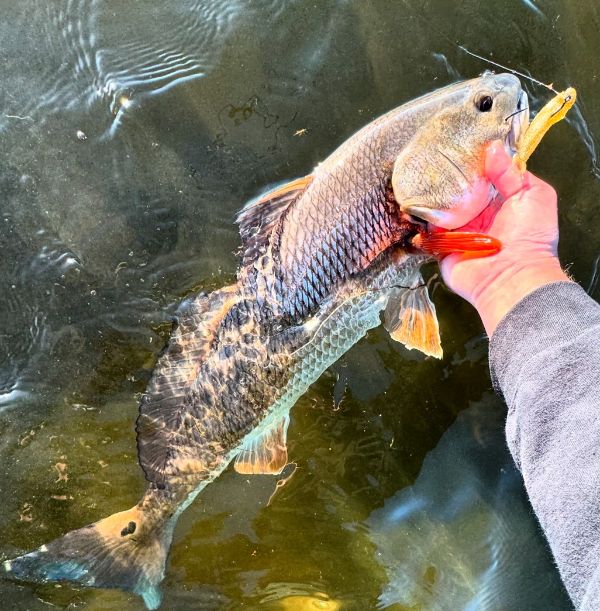
Major coastal fish kills across the southeast coasts from the recent cold has turned up the heat on stocking popular species like redfish, trout and snook to restore fishing quality.
But is it an effective strategy or just a feel-good effort with no measurable result in the reality of more catchable fish in the water?
Stocking fish — releasing hatchery-raised fry or fingerlings into public waters — is common and successful in many freshwater fisheries—landlocked stripers as well as put-and-take rainbow and brown trout are notable examples. But for coastal gamefish such as redfish (red drum), spotted seatrout and common snook, success is harder to measure and perhaps less frequent.
These are species prized by anglers, subject to environmental stresses and historically managed with regulations on harvest and habitat protection. In Florida, Texas and a few other states, biologists have also tried hatchery enhancement as a tool to supplement wild recruitment. But does stocking actually translate into stronger adult populations? The short answer from decades of research and management experience: sometimes — but rarely as a standalone solution.
Stocking in Florida: Research, Trials and Limited Returns
Florida’s Marine Fisheries Stock Enhancement program — led by the Fish and Wildlife Research Institute (FWRI) of the Florida Fish and Wildlife Conservation Commission — has been experimenting with hatchery releases of red drum, snook and spotted seatrout for many years. Stock enhancement there is defined as releasing hatchery-grown fish into the wild to supplement natural populations, with careful attention to genetics, timing, habitat and monitoring to maximize survival and minimize ecological risk.
Florida’s approach has been methodical and research-driven. Early pilot releases of small red drum around Miami and Biscayne Bay in the 1990s found little evidence that tiny juveniles survived and contributed to the fishery, leading biologists to conclude that release size, location and habitat quality matter greatly. Subsequent research emphasized releasing larger juveniles in habitat with good nursery conditions and more intensive monitoring. Even so, evidence that stocked red drum substantially increased adult spawning stock biomass or catch rates in Florida waters remains limited or mixed, and most successes have come when stocking is paired with strong habitat management and regulated harvest.
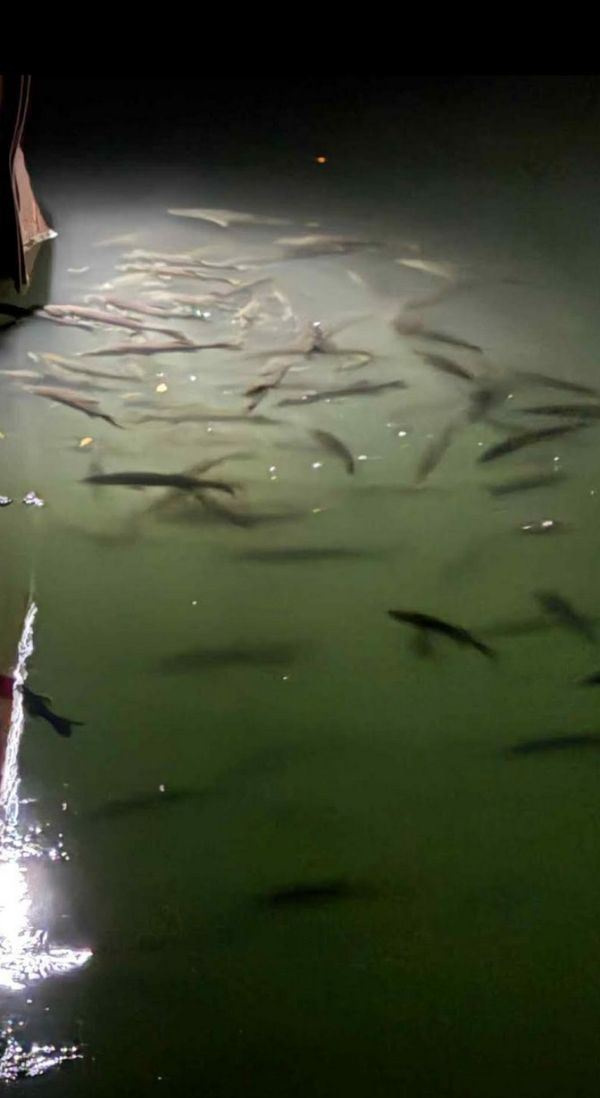
For snook, research and enhancement efforts have expanded more recently, particularly through work at the Mote Marine Laboratory’s Aquaculture Research Park. Millions of juvenile snook have been raised and released in parts of Sarasota County and other estuaries. These releases are part of carefully designed research to measure survival, movement and integration with wild populations. Scientists are still analyzing long-term adult returns from these releases, but early data suggest that hatchery fish can survive and behave similar to wild fish — though whether they significantly alter adult population trends in open coastal waters isn’t yet fully confirmed.
With spotted seatrout, Florida has also undertaken enhancement research, but the bulk of management emphasis remains on regulatory measures (size limits, harvest controls) and habitat protection rather than large-scale stocking.
Overall, Florida’s experience shows that stocking is a complex tool, not a quick fix. Hatchery supplementation can help under the right conditions (good habitat, appropriate release size and timing, low environmental stress), but it must be paired with careful adaptive management to produce measurable gains in adult populations.
Texas Bays: One of the Oldest and Largest Marine Stocking Programs
Texas has one of the most extensive saltwater fish stocking histories in the United States. The Texas Parks & Wildlife Department (TPWD) began stocking red drum in the mid-1970s after the population declined deeply in response to excess commercial fishing and cold weather kills. Since then, hundreds of millions of hatchery-produced red drum fingerlings have been released into coastal bays and the state has eliminated inshore net fishing for reds as well as sea trout.
By some estimates, stocked fish have contributed 6 – 17 % of adult redfish caught in major Texas bays, based on genetic tracking and long-term monitoring, indicating a measurable enhancement effect. Researchers emphasize that red drum stocking in Texas is only effective when linked with smart harvest regulations and good nursery habitat; in some bays the contribution of stocked fish appears higher than in others, showing considerable variability in success from place to place.
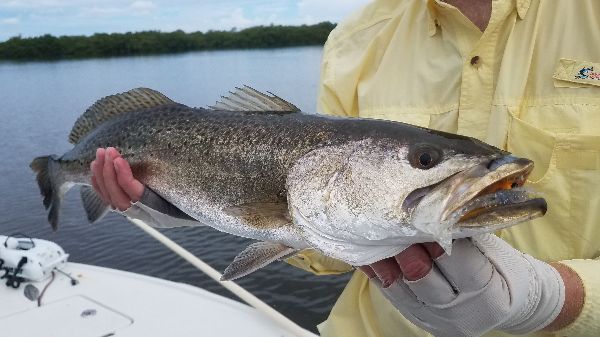
Spotted seatrout stocking in Texas began in the early 1990s to help sustain populations, particularly after environmental stresses such as spring freezes caused fish kills. TPWD has released tens of millions of seatrout fingerlings since then, and long-term catch data indicate that populations remain relatively healthy, with some evidence that stock enhancement has helped buffer low recruitment years. Genetic studies are ongoing to better separate hatchery versus wild contributions to adult harvests, but preliminary results and fishery trends suggest stocking is one of several factors helping maintain population resilience.
Other States and Broader Patterns
Beyond Florida and Texas, marine stock enhancement for coastal gamefish is relatively rare in the United States. South Carolina and other southeastern states have marine hatchery programs that study spotted seatrout and other estuarine species, but these efforts are mostly research-focused rather than large-scale operational stocking.
National reviews of fishery enhancement have repeatedly concluded that many stock enhancement programs produce inconsistent results when it comes to boosting adult populations, especially for marine species with naturally high early mortality and complex life histories. Success tends to be highest for species with lower natural mortality in early life, strong nursery habitat, and robust monitoring programs.
Bottom Line
Stocking redfish, spotted seatrout and snook in U.S. coastal waters has shown measurable contributions in some cases — particularly for red drum in Texas bays — but solid evidence that hatchery releases alone boost adult populations consistently is limited. Hatchery supplementation can be a valuable piece of the broader fisheries management puzzle, but it doesn’t seem to be a standalone solution for sustaining adult populations in coastal waters—only habitat preservation and smart harvest rules can preserve our fishing.
– Frank Sargeant, Frankmako1@gmail.com