
The cold across the Southeast this winter will likely show an impact for years to come on the inshore fishery.
From Texas marshes, around the bend of the Gulf in the estuaries of Louisiana, Mississippi and Alabama, all along both coasts of Florida and north to the creeks of the Carolinas, water temperatures dropped fast and stayed low long enough to stress, stun, and in some areas kill warm-water fish that simply aren’t built for prolonged cold. Snook took the brunt of it where they exist, but spotted seatrout and even redfish—usually more durable—were affected as well.
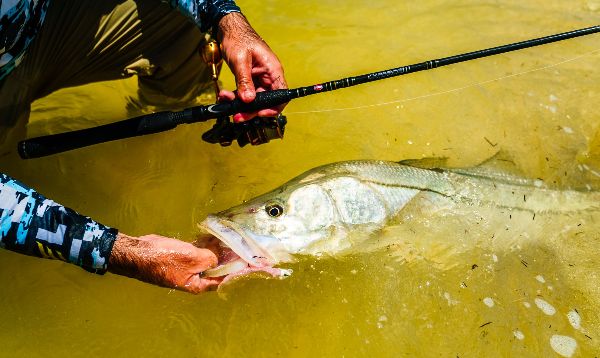
Snook are the most vulnerable. They are tropical fish living at the northern edge of their range, especially along Florida’s Gulf Coast and Panhandle, and in scattered pockets farther west. When water temperatures slide into the mid-50s and below, snook shut down. When cold lingers, they die.
Anglers who lived through the January 2010 freeze remember how fast that happened. Fish piled up in canals, river bends, and deep holes where they’d tried to wait it out. Buzzards blackened the trees along many prime snook rivers and bayous. The population loss took years to recover from, and the regulations that followed were designed to give surviving fish a chance to rebuild.
This winter wasn’t identical, but it didn’t have to be. Long nights of cold air and short winter days stripped heat from shallow estuaries. In backwaters, creeks, and mangrove-lined canals—places snook favor most of the winter—water temperatures dropped into ranges they simply can’t tolerate for long. Some fish likely survived by finding deeper water or spring-fed refuge. But many others didn’t.
Farther west, in places like Mobile Bay where snook are still a relatively new presence, the damage may be harder to see but just as real. Those populations don’t have the depth or geographic spread of Florida’s core stocks. A hard winter can erase years of slow expansion.
Spotted seatrout, while tougher than snook, are not immune. Trout live shallow by design. They use marsh edges, flats, and interior bays that warm quickly in summer and betray them in winter. When cold hits fast, trout don’t always have time to slide into deeper channels. They get stunned, drift, and die.
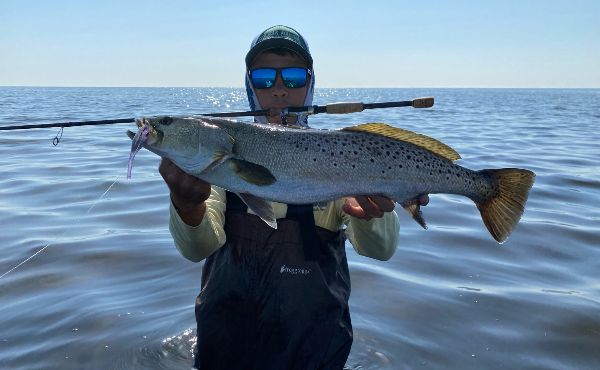
That pattern showed up again this winter. In some regions, trout kills were obvious—fish floating, fish wedged under ice, fish washed into windrows. In others, the damage will be quieter, showing up later as missing year classes, thin spawning runs, or springtime flats that provide tough fishing.
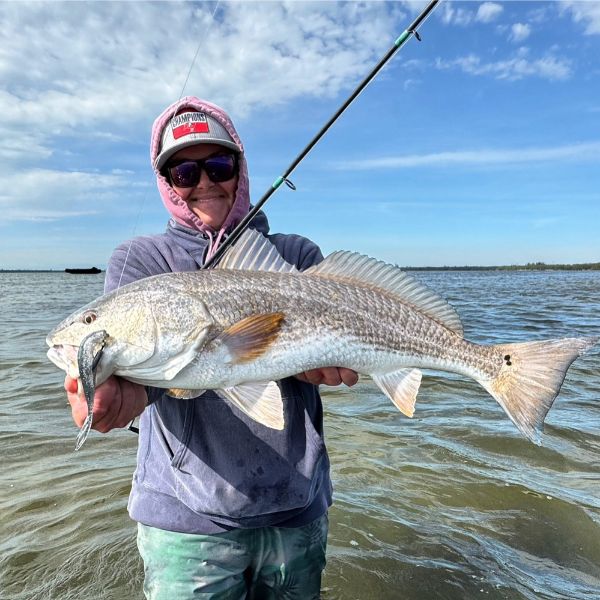
Redfish are the hardiest of the trio, but they aren’t bulletproof. Reds can tolerate colder water than snook or trout, and they’re better at finding deeper refuge when temperatures fall. Still, when cold is sharp and prolonged, especially in shallow marsh systems, redfish can be caught in the wrong place at the wrong time.
Reports from across the Gulf Coast suggest that reds stacked up tightly this winter, retreating into channels, holes, and any water that offered even a few degrees of insulation. In places where escape routes were limited, some mortality likely occurred. Even where fish survived, their winter displacement can change spring patterns, delaying movement back onto flats and shorelines anglers rely on.
Beyond the gamefish themselves, cold hits the base of the food chain. Mullet, pinfish, shrimp, and small forage species often take the first punch. When they disappear—even temporarily—the predators that depend on them struggle. Fish that survive the cold may face lean weeks afterward, slowing growth and delaying recovery.
All of this adds up to more than a few slow fishing reports. Guides, marinas, tackle shops, boat ramps, and coastal towns all depend on healthy, accessible fisheries. When cold events compress fish into deep refuge or reduce populations outright, trips get canceled and the bottom line takes a hit.
Cold spells are part of life in the Southeast. They always have been, even as the average temperature appears to be rising. When they hit hard, they leave marks that last longer than the weather itself. This winter’s freeze may be remembered not for the days it took to pass, but for the seasons it might take to fully heal in inshore fishing.
– Frank Sargeant
Frankmako1@gmail.com