
When the federal government draws a box around a chunk of ocean and labels it a marine monument, the idea is pretty simple: fishing pressure comes off, ecosystems get a breather, and science—not short-term economics—calls the shots.
So when that box gets opened again, as it just did at the Northeast Canyons and Seamounts Marine National Monument after nearly a decade of closure, it’s fair to ask what happens next. Specifically, what does renewed commercial fishing mean for a deep-water ecosystem that’s had a long breather?
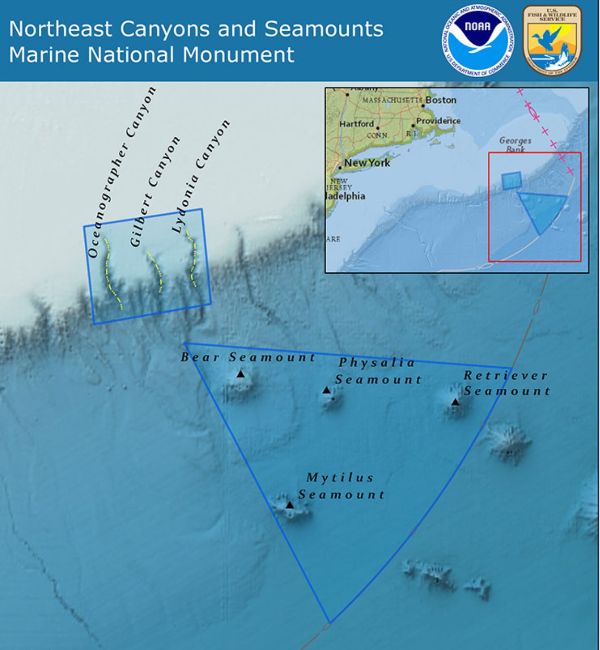
The monument sits about 130 miles offshore from Cape Cod—too far out for most recreational angler to reach, but well within range of modern commercial boats. It’s also enormous, more than 4,000 square miles, roughly the size of Connecticut. Even some supporters will admit that’s a lot of ocean to lock up.
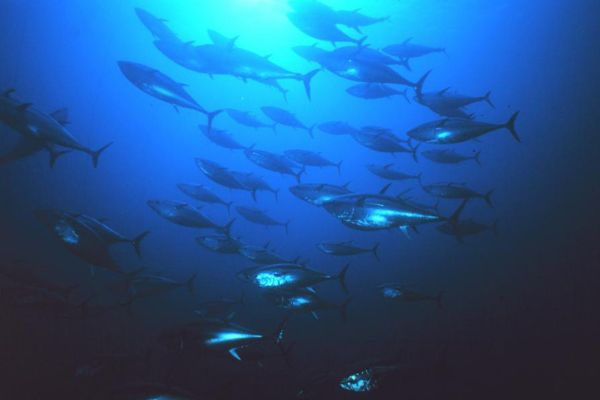
The case for reopening it is pretty straightforward. The canyons and seamounts here are biologically rich places, fueled by cold-water upwellings that stack plankton, baitfish, and migratory predators. Depths range from around 650 feet to well over 12,000. Squid, mackerel, deep-sea red crab, tuna, and swordfish already support major Atlantic fisheries nearby. Letting boats work proven ground again can mean shorter runs, lower fuel bills, and more efficient trips. For commercial fishermen dealing with rising costs, tight margins, and stiff global competition, those aren’t abstract benefits—they’re immediate.
There’s also a philosophical argument at play. U.S. fisheries are among the most tightly regulated in the world, with quotas, observers, vessel tracking, and stock assessments built into everyday operations. If anyone can fish carefully in sensitive areas, the argument goes, it’s American fishermen. Some also point out that closing productive waters here can just shift environmental impacts elsewhere, increasing reliance on imported seafood from countries with far weaker oversight. Many domestic fishermen are already getting squeezed by cheap, farm-raised imports.
But the pushback is just as real—and it’s rooted more in ecology than politics.
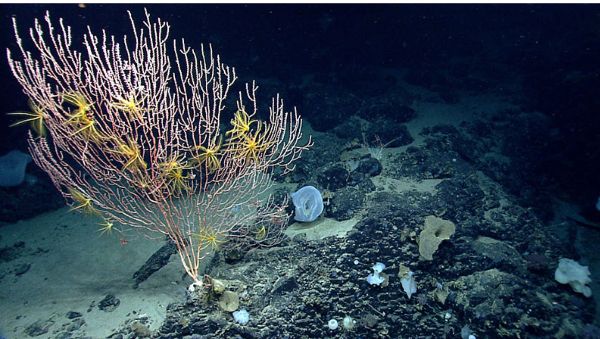
Marine reserves like the Northeast Canyons and Seamounts were created because deep-sea habitats are fragile, slow to recover, and still poorly understood. Cold-water corals can take centuries to grow. Seamounts work differently than shallow continental shelves, acting like biological magnets for species that may already be under pressure elsewhere. The value of these places isn’t just what you can catch there—it’s what they safeguard by staying largely untouched.
In that sense, reserves aren’t about maximizing yield. They’re about resilience. They function as control sites, letting scientists see what a system looks like without fishing pressure. Over time, they may also help replenish nearby fishing grounds through larval drift and adult movement. Those benefits are slow, hard to measure, and easy to dismiss when political timelines run in two- or four-year increments.
There’s also a practical risk factor. Opening a reserve is rarely a clean on-off switch. Once access comes back, pressure builds to keep it open. Policing far-off offshore waters is expensive and inconsistent, and monitoring damage to deep-sea habitats is notoriously tough. If harm does occur, there’s a good chance it won’t be fixable on any human timeline.
That doesn’t mean marine reserves should be permanent, untouchable no-fishing zones. Adaptive management matters. If solid science shows certain gear types or seasons pose minimal risk, limited access can make sense. It’s not unlike managed hunting on land, where wildlife populations can thrive under tightly controlled harvests and carefully set seasons.
What’s missing right now is a clear, transparent way to judge whether reopening works or fails. What indicators will be tracked? What lines trigger new restrictions if impacts show up? How do managers account for effort shifting into the area from somewhere else? Does the current administration care about or understand the value of preserves?
At its core, this debate is about time horizons. Commercial fishing operates on seasons, markets, and fuel prices. Ecosystems operate on decades and centuries. The challenge isn’t choosing one over the other—it’s figuring out where restraint today preserves opportunity tomorrow.
Opening a reserve can deliver real, near-term economic relief. Keeping one closed can deliver something quieter but just as important: stability in deep-ocean systems at a time when the ocean is changing faster than our management tools were designed to handle. However it plays out, this is one decision worth watching closely by anyone who cares about deep sea ecosystems.
– Frank Sargeant
Frankmako1@gmail.com