
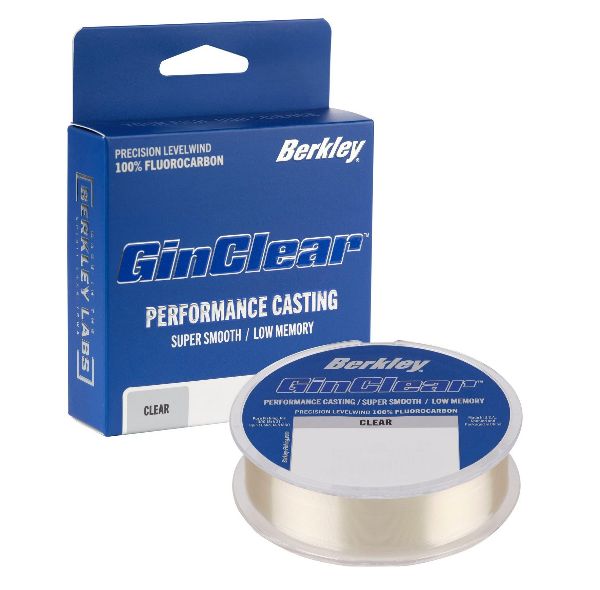
For years, fluorocarbon line on a baitcasting reel was something many anglers—including me-- tried once and then swore off for good.
Too stiff. Too much memory. Too many backlashes. Early generations of fluorocarbon earned that reputation honestly. Compared to mono, fluoro wanted to spring off the spool in tight coils, and on a baitcaster that often translated into mid-cast woes--the kind of professional overrun that ruins a morning.
To be sure, fluoro was all but invisible in the water, and was notably tougher than mono against toothy fish. Fluoro, then and now, also has less stretch—a plus for hook setting. It’s long been a favorite for leader material. And it sinks, rather than floating like mono—so it’s a good choice when you want to get a light lure deep.
Lately, though, long-held assumptions about the negative qualities of fluorocarbon are being challenged. Companies are quietly reformulating fluorocarbon, and lines now being marketed specifically as baitcaster-friendly are finding real traction with anglers. One of the most visible examples is Berkley’s just-released GinClear, a line that claims the abrasion resistance, sensitivity, and low visibility of fluorocarbon without the handling penalties that once made baitcasters a poor match.
So can it really be true? Has fluorocarbon finally evolved to the point where it behaves on a baitcaster? In many cases, the answer is yes—with some important caveats.
Why Fluorocarbon Was a Problem
Traditional fluorocarbon is made from polyvinylidene fluoride (PVDF), a dense, hard material that sinks and transmits vibration extremely well. Those properties make it appealing for bottom-contact techniques, but they also create stiffness and memory. On spinning reels, that stiffness was manageable in lighter tests. On baitcasters—where line has to peel smoothly off a rotating spool—it was a recipe for trouble.
Early fluoros also suffered from inconsistent diameter control and surface finish. Uneven line stacked poorly, resisted laying flat on the spool, and amplified backlash issues. The result was a perception that fluorocarbon simply didn’t belong on baitcasters unless you were throwing heavy jigs on a short line.
What Changed
The biggest difference today isn’t marketing—it’s chemistry and process control.
Modern fluorocarbon lines use improved resin blends, more precise extrusion, and surface treatments that reduce coil memory and friction. Manufacturers are also paying closer attention to suppleness rather than chasing maximum hardness. The result is fluorocarbon that still sinks and resists abrasion, but behaves more like a premium mono when it comes off the reel.
In Berkley’s case, GinClear is engineered to be noticeably softer than older fluoros, with an emphasis on controlled stretch and smoother handling. It’s not unique in that goal, but it reflects a broader industry shift.
Other Fluorocarbons Built for Baitcasters
Berkley isn’t alone. Several manufacturers now offer fluorocarbon lines that anglers routinely spool on baitcasters with good results.
Among the most widely used is Seaguar’s InvizX, which has developed a strong following among bass anglers who want fluorocarbon sensitivity without excessive stiffness. It’s softer than many traditional fluoros and casts predictably on modern baitcasting reels.
Seaguar’s AbrazX takes a slightly firmer approach, prioritizing abrasion resistance while still maintaining workable handling. It’s popular around heavy cover, docks, and rock, where fluoro’s toughness matters as much as its invisibility.
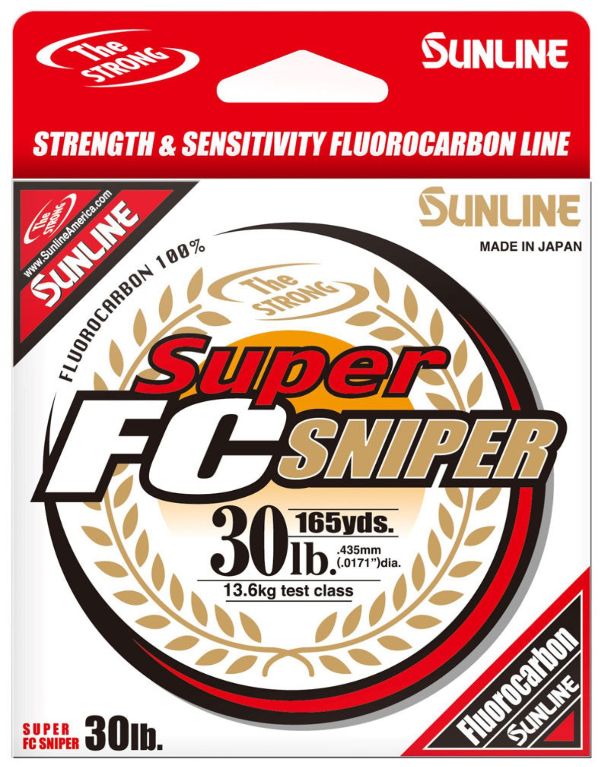
Sunline’s Super FC Sniper is another benchmark. Designed with a balance of suppleness and strength, it’s often cited as one of the most manageable true fluorocarbons on a baitcaster, especially in mid-range pound tests.
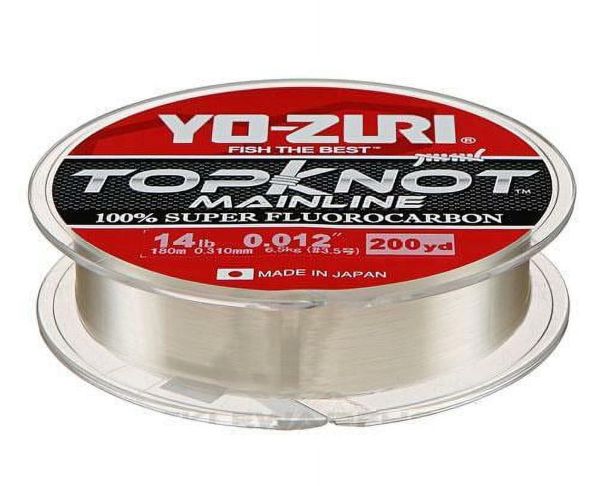
Yo-Zuri has also invested heavily in smoother fluorocarbon formulas. Their TopKnot and T7 Premium lines are thinner for their breaking strength and noticeably lower in memory than older-generation fluoros, helping them behave better during long casts.
It’s also worth noting the continued popularity of hybrid and coated lines. Products like Berkley FluoroShield or P-Line Floroclear aren’t 100-percent fluorocarbon, but they deliver many of fluoro’s advantages—low visibility and abrasion resistance—with mono-like handling and lower prices. For anglers still wary of full fluoro, these lines remain a practical bridge.
The Role of Modern Reels
Line isn’t the only variable that’s changed. Today’s baitcasting reels are smoother, more precisely machined, and equipped with better braking systems than the reels that gave fluorocarbon its bad name. Fine-tuned magnetic and centrifugal brakes, improved spool bearings, and more consistent spool startup all help mitigate the stiffness that once caused fluorocarbon headaches.
That doesn’t mean fluorocarbon is foolproof. Overspooling remains a common mistake, and light lures still magnify any line-handling issues. But matched correctly to lure weight and reel setup, modern fluorocarbon is far more forgiving and practical than it used to be, while still maintaining a number of advantages over monofilament in most applications.
– Frank Sargeant
Frankmako1@gmail.com