
Dad’s Day is the 21st this month, and those of you lucky enough to still have your dad around are no doubt looking for something beyond the usual Bass Pro Shops gift card to go along with the backyard barbecue.
Here are a few suggestions that have come over the transom in the past few weeks:
Jacob Wheeler Ventilated Hoodie ($54.99)
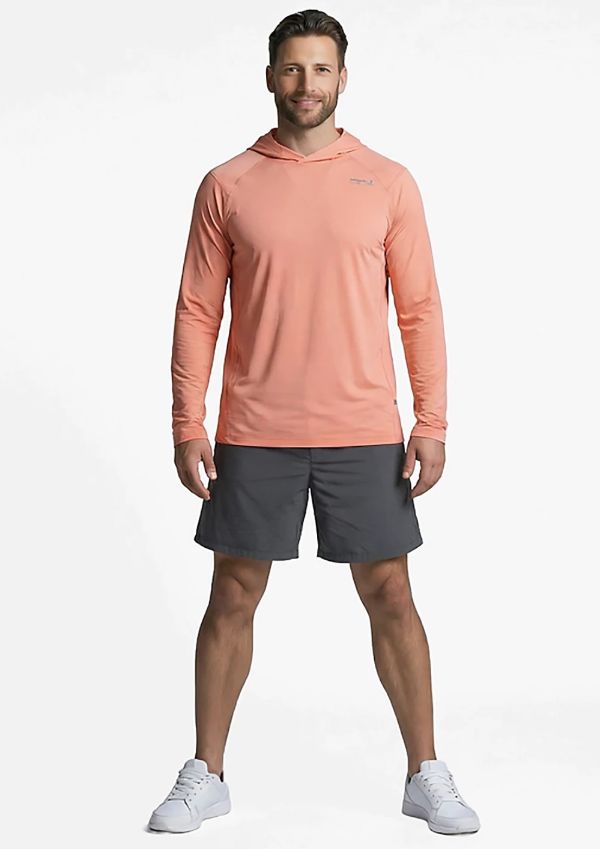
Built for long days under a high sun, this lightweight hoodie carries the design input of MLF bass pro Jacob Wheeler and it shows. The polyester-spandex blend stretches easily when casting or landing a fish and the shirt is so light you barely realize you’re wearing it. The wispy fabric is moisture wicking, which keeps you cool as well as avoiding that clammy feeling, and the company says it’s antimicrobial so you can wear it for multi-day trips where you may not have a spare handy. The hood protects the back of your neck, a prime spot for skin problems to get started. It’s also a good protection against no-see-ums, if you’re in their territory. It’s priced well under what many of these things go for; Academy Sports.
Plano Guide Series Tackle Bag ($139.99)
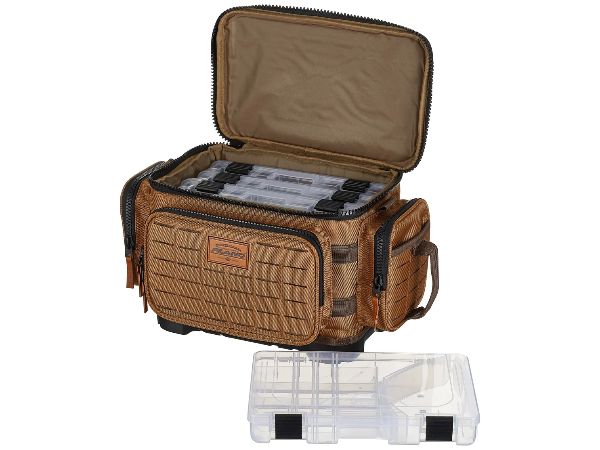
The Plano Guide Series Tackle Bag has the classic look of something from the bamboo fly rod era, but it’s got some neat features including six Plano lure boxes inside to keep your stuff organized and easy to find plus a magnetic pad on top to secure fishing pliers and other metallic gear. Stuff it with lures if you want to make an over-the-top gift; Plano.
Shimano Miravel Spinning Reel
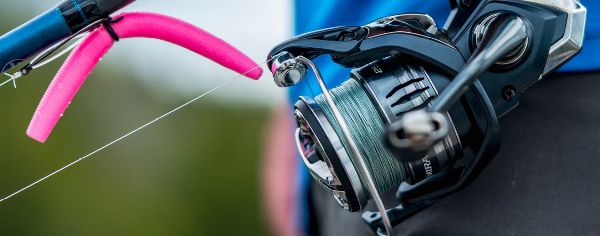
The Miravel series is built on the company’s ultra-light “MagnumLite” frame, with the 2500 and 3000 models weighing just 7.2 ounces. However, they can be cranked down to produce up to 20 pounds of drag, making them suitable not only for serious bass angling but also for saltwater powerhouses like reds and snook. Pricing is moderate as quality reels go, at about 145; Shimano.
Mayfly Time Across the South
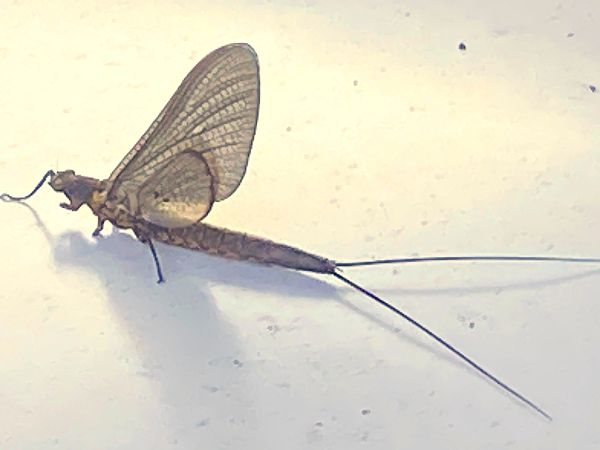
Though they’re called “May” flies, there are more mayflies around in June and July than there are in May, and sometimes there are big hatches into August across the Southeast.
Fish rarely ignore a food source, and these aquatic-born insects can be a big one. They are so abundant in Lake Guntersville, for example, residents who leave their dock lights on during a hatch often wake up to find them stacked six inches deep under their lights
Mayflies can concentrate bass, bluegills, crappies and other species in amazing numbers. Tossing almost any sort of small topwater in an area where the insects are falling on the water, or where they’re emerging from the surface, draws instant strikes. (They hatch in water, emerge to sit on lakeside trees for a few hours to complete their wing growth, then fly around for a single day to mate, then die, often falling back into the water.)
It’s not hard to find places where mayflies are doing their thing—run your boat along any shoreline with overhanging trees or with dock lights over the water just at dawn and you’re likely to see thousands of them swarming.
Fish a small topwater lure—it doesn’t have to look like a mayfly—and you’ll catch not only largemouths and whopper bluegills but also other species that don’t usually hit topwaters including crappies, catfish and even an occasional drum.
I’ve done well at Guntersville with the Rebel Crickhopper as well as an F4 Rapala. These tiny lures are best fished on ultra-light spinning tackle and 6-pound-test mono, which adds to the fun when a sizeable bass or catfish latches on. I’ve caught bass to six pounds on the F4, a tricky proposition on the fly-weight tackle and tiny hooks.
Flies that look like mayflies also do very well, of course. Sponge spiders in a brown-yellow color are super effective. You’ll only need to throw 30 to 50 feet to get plenty of action when the flies are hatching.
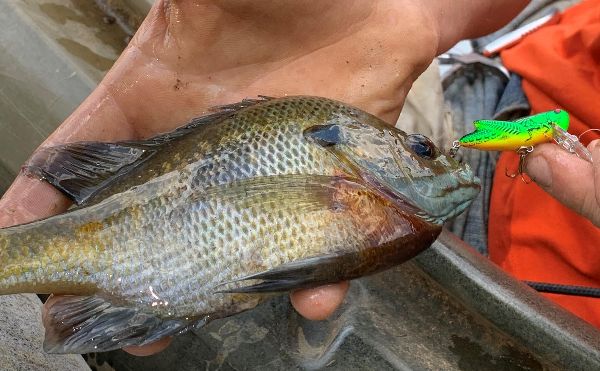
If you don’t have a fly rod, you can throw these flies 18 inches below a casting bubble on spinning gear. Usually, if you cast where the insects are falling into the water, you don’t even have to move the bug—the fish just come up and suck it down.
Bluegill sometimes bed near areas where mayflies show up as well, giving you a double guarantee of action. The tasty bream typically are on the beds on the weeks of full and new moon in May, June and July across much of the South. Look for their bowl-shaped beds on gravel or shell bottom at depths of 18 inches to 4 feet.
To be sure, if you’re a dedicated tournament basser chasing mayflies is no way to win, but if you’re just out for some fun fishing on the weekend, they almost guarantee action—and a fish fry at the end of the day.
– Frank Sargeant
Frankmako1@gmail.com