
Every year Bassmaster drops its 100 Best Bass Lakes list, and every year it kicks off the same argument at boat ramps and bait shops across the country: did they get it right? This year's edition, dressed up in America250 bunting, is no exception. It's a fine list. It's also a list with some head-scratchers.
The Snubs
Lake Guntersville, Alabama is the most glaring case. Guntersville isn't just a good lake — it's arguably the single most storied largemouth fishery in the Southeast, a perennial Bassmaster Classic and Elite Series host with a track record of producing amazing numbers of quality largemouths despite withering pressure that continues almost year around. And yet it lands at number four in the Southeastern Division, behind Santee Cooper, the Kissimmee Chain, and the Withlacoochee/Rousseau system. Those are all legitimate fisheries, no argument there—Santee-Cooper seems to be particularly hot right now.
But anyone who's fished Guntersville's endless grass beds and river holes knows it belongs in the national top ten conversation, not buried on a regional sub-list. Ranking it fourth in its own division feels like underselling a lake that's hosted more marquee tournaments than almost anywhere else on this list.
Toledo Bend is another one that seems oddly modest. It's one of the largest reservoirs in the South, a factory for both numbers and giants, and it's sitting mid-pack in the Central Division below lakes like Bussey Brake and Caney Creek — fine fisheries, but ones with a fraction of Toledo Bend's tournament pedigree and size.
The Overachievers
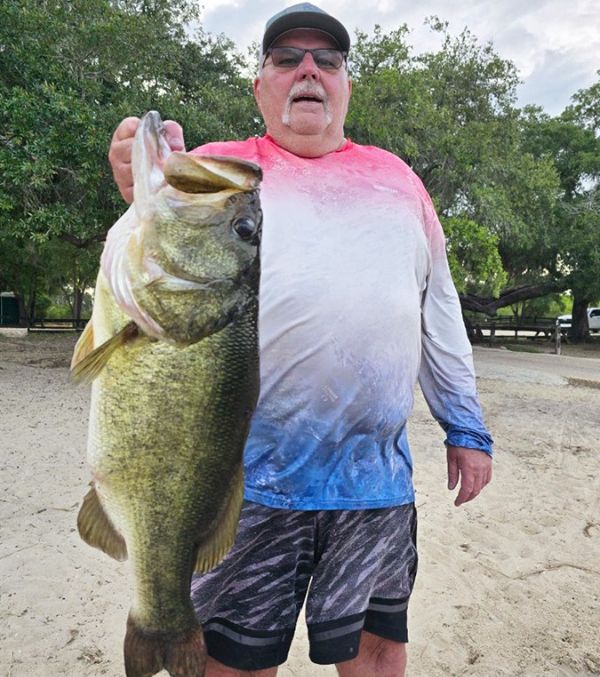
On the flip side, a few lakes seem to be riding reputation, or a hot recent moment, further than the fundamentals justify.
Lake J.B. Thomas taking the number two overall spot nationally is the boldest call on the list. It's described as "the hottest emerging big-bass fishery," but “emerging” is the operative word. A lake can have an incredible run for a season or two on the strength of a stocking program or a wet cycle before water levels swing the other way. Ranking it ahead of places like Lake Fork, Kentucky Lake, or the St. Lawrence, all of which have decades of proven consistency, is a bet on momentum over track record.
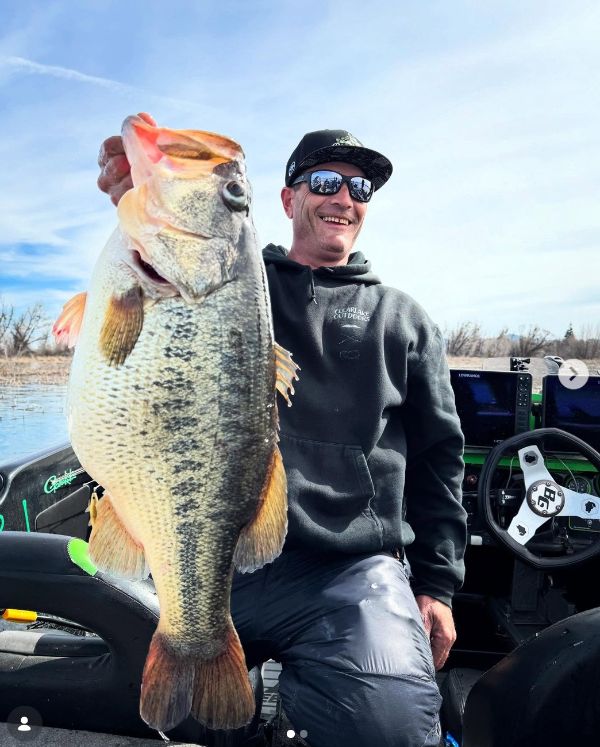
Diamond Valley Lake in the Western Division is another lake whose ranking looks driven more by trophy-fish headlines than depth of fishery. It's a legitimate big-bass lake, but the West's ranking depends heavily on a handful of famous catches rather than the kind of broad, sustained tournament success that defines lakes like Clear Lake or the Delta.
The Bigger Picture
None of this is really a knock on Bassmaster's methodology; tournament results, fisheries data, and angler feedback will always produce a list shaped by whoever had the best year, not necessarily the best lake, full stop. That's the nature of an annual ranking.
But it's worth remembering that "best" and "hottest right now" aren't the same thing, and a list built partly on buzz will always shortchange the quiet, dependable giants — the Guntersvilles and Toledo Bends of the world — in favor of the lake everyone's talking about this season.
See this year’s full listing at www.bassmaster.com.
– Frank Sargeant, Editor of The Water Wire
Frankmako1@gmail.com