
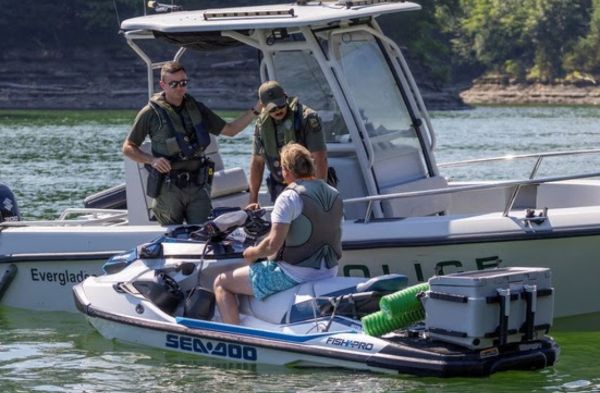
Holiday weekends are when law enforcement sees the worst of recreational boating. That’s why Operation Dry Water will be in effect nationwide this holiday weekend, with stepped-up patrols, sobriety checks, and zero patience for impaired operation.
The message is simple and it hasn’t changed: alcohol and drugs have no place at the helm of a boat or personal watercraft. If you’re at the wheel, you’re expected to be sober—no exceptions.
Boating While Intoxicated (BWI) is not a slap-on-the-wrist offense. In many states, it carries the same weight as Driving Under the Influence on the highway. Penalties typically include heavy fines, possible jail time, mandatory boating safety courses, and suspension of boating privileges. What surprises many first-time offenders is that a BWI conviction can also follow you back onto dry land.
In Florida, for example, a BWI conviction can result in suspension of your regular driver’s license—just like a DUI—especially if it’s not your first alcohol-related offense. Texas law allows BWI convictions to count against your driving record, with potential driver’s license consequences. New York treats BWI seriously enough that courts may impose penalties affecting driving privileges, particularly in aggravated cases. Other states handle the connection differently, but the trend is clear: judges sometimes see impaired operation of a boat as evidence of impaired judgment everywhere.
And that’s before you factor in aggravators. Higher blood alcohol levels—0.08 in many states is the legal dividing line—result in accidents, injuries, or sadly every year, deaths. Operating under the influence of drugs—prescription or otherwise—can cause the same issues and falls under the same enforcement umbrella. If a substance impairs your ability to operate safely, you’re exposed.
Operation Dry Water isn’t about ambushes or paperwork quotas. It exists because alcohol is a leading contributing factor in fatal boating accidents. On the water, sun, wind, dehydration, and motion magnify impairment. Reaction times slow. Balance goes. Judgment erodes. The result can be tragedy at speeds that seem harmless until something goes wrong.
The smart move is also the easiest one: if you plan to drink, don’t drive the boat. Designate a sober operator. Anchor up for the afternoon and stay put. Call it an early day. No fishing trip, fireworks raft-up, or sandbar gathering is worth losing your freedom—or someone else’s life.
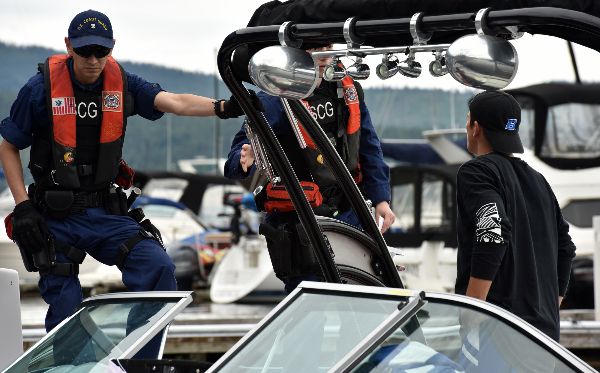
While enforcement officers are out looking for impaired operators, they’ll also be checking the basics. Many citations written over holiday weekends have nothing to do with alcohol at all.
Personal flotation devices are always at the top of that list. Boats must carry the required number of U.S. Coast Guard-approved PFDs for everyone aboard, properly sized and in serviceable condition. In most states, children are required to wear a PFD while underway, not just have one nearby. Some states extend mandatory wear to PWC riders and anyone being towed. A PFD stuffed under a seat doesn’t count if the law says it must be worn.
Expect checks for registration and numbering, valid decals, and proper display. Navigation lights must work if you’re on the water from sunset to sunrise or in reduced visibility. Sound-producing devices—whistles, horns, or other approved signals—are required on most vessels. Fire extinguishers, where required, must be charged and accessible, not buried under a pile of gear.
PWC operators should be especially careful. Many states require engine cutoff switches and lanyards to be used. Age restrictions and mandatory safety courses are common. Know the rules and make sure you and your family follow them.
Safe-boating education cards or certificates are another frequent holiday issue. Increasingly, states require proof of completed boater education for operators born after a certain date. If you’re not obviously aged out, you’ll need the card to prove you’re legal.
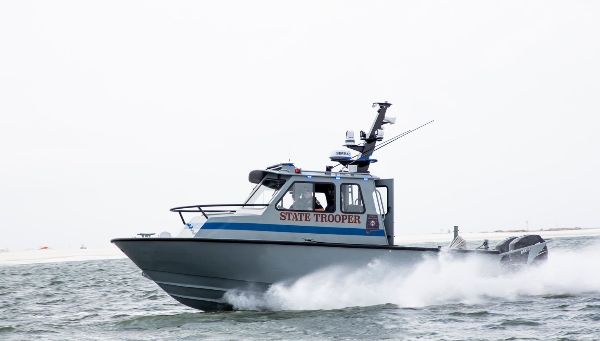
Finally, remember that courtesy violations can quickly become safety stops. Excessive speed in no-wake zones, reckless operation, riding on gunwales or bow seating not designed for passengers, and ignoring channel markers all draw attention—especially during Operation Dry Water weekends when patrols are abundant.
None of this is meant to dampen the holiday. A safe weekend is one where everyone goes home with memories instead of citations, injuries, or worse.
Leave the alcohol at the dock if you’re running the boat. Make sure your safety gear is onboard and legal. Buckle kids into PFDs before lines are cast off. Slow down in crowded areas. Party like it’s 2026, our 250th National Anniversary, but do it safe and sober.
– Frank Sargeant, Editor The Water Wire
Frankmako1@gmail.com