
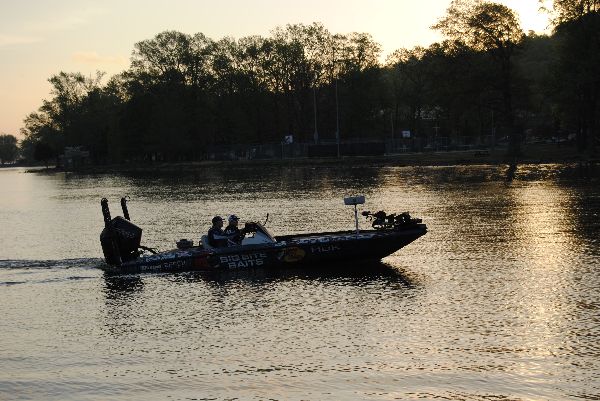
Along about now, a lot of us across the South are wishing we had moved to Maine—or British Columbia.
August, let’s face it, is not prime time for bass fishing. But, the bass don’t just up and disappear or float up parboiled—they’re still out there somewhere, and they have to eat at least occasionally. It ain’t easy, usually, but it’s doable—and much better than sitting on the porch with an ice tea—except from about 1 to 5 every day, when I’d much rather sit on the porch with an ice tea.
Long and often painful experience has left me with a few late summer lessons which I feel obliged to pass on, before I pass on.
This time of your, one of the best bets is to start before sunrise. During the night, bass move shallow to hunt bluegills, shad, frogs and anything else they can corner. The first hour of daylight—starting about 45 minutes before sunrise-- often produces the fastest action of the day, especially around grass edges, docks, seawalls, laydown trees and shallow points.
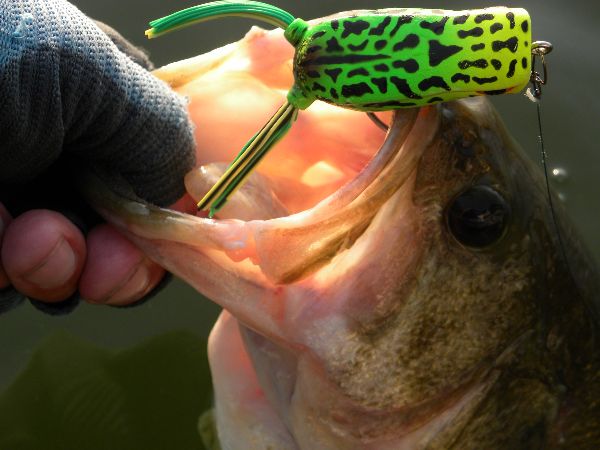
That's the time to keep a topwater rod in your hand. Walking plugs, buzzbaits, poppers and frogs can all produce strikes. While the “walk-the-dog” retrieve can be a fast way to locate fish, a slower presentation may be the ticket once you’re on ‘em. I like a count of 10 when the lure lands, then a couple of twitches, then another pause, and so on. If there are fish below, they’ll usually eat with that approach.
The Z-Man GOAT ToadZ is my personal favorite for this, but there are dozens of good frog lures that work well for this, and they come through late summer weeds without picking up debris. Treble hook lures can be impossible to fish at this time of year on some lakes due to the floating moss and weeds.
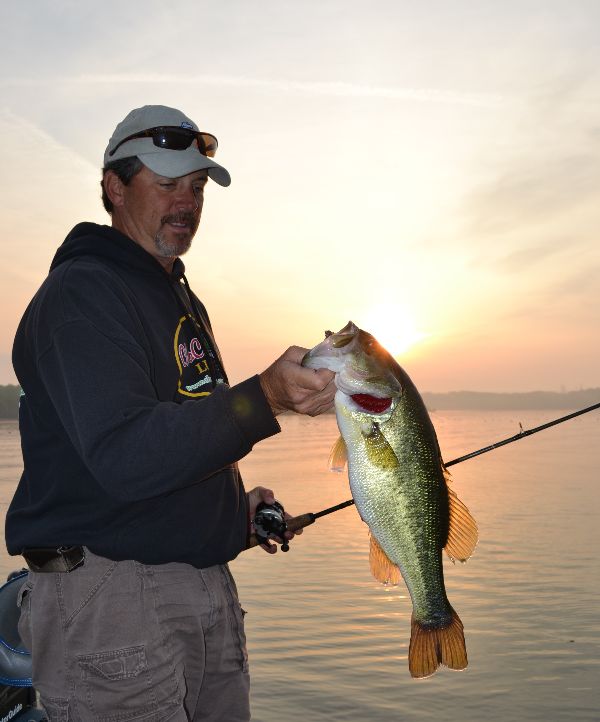
As the sun climbs, expect the fish to slide away from the bank. Sometimes they move only to the first drop-off. On deeper lakes, they may head for ledges, creek channels, brush piles or offshore humps where they can spend the day in more comfortable water.
That doesn't necessarily mean fishing 30 feet deep. On many Florida lakes, 8 to 12 feet may be all the depth available, but it can still be enough to make a difference. The important thing is finding the coolest water with adequate oxygen, especially if it's close to baitfish.
Forward-facing live sonar has made offshore fishing much easier, but it’s pricey, and plenty of anglers still catch lots of fish without it. Long points, submerged roadbeds, channel bends and underwater high spots have held summer bass for generations. A contour map and a little patience will still put you on fish.
Once you locate them, slow down.
Big worms rigged Texas-style remain one of the most dependable summer lures. A 10-inch ribbon-tail worm crawled slowly across a ledge has accounted for countless trophy bass. Football jigs, shaky heads and drop-shot rigs all produce when bass are glued to the bottom, while deep-diving crankbaits and blade baits like the Chatterbait can trigger strikes from fish that won't touch a slower presentation.
Current changes everything.
Below dams, summer bass often feed all day because moving water keeps oxygen levels high while sweeping baitfish directly to them. They set up behind rocks, bridge pilings and other current breaks, darting out to grab passing shad. If the turbines start generating, fishing can improve almost immediately.
Springs flowing into lakes and rivers create pockets of cooler water that attract baitfish, panfish and bass alike. Some spring runs are obvious. Others are little more than a patch of clear water or a spot where the temperature drops a few degrees. Either can be worth investigating.
Shade is another summertime magnet.
Boat docks, pontoon boats, bridge pilings, overhanging trees and thick vegetation all provide relief from the sun. The farther back beneath a dock you can skip a soft plastic, the better your chances of finding a bass that's been ignored by everyone else.
Don't overlook heavy hydrilla or topped-out vegetation. While the surface may be baking in the sun, the water underneath can be noticeably cooler. Bass often spend hours beneath those mats, moving out only briefly to feed. A heavy Texas rig punched through the cover can reach fish that never see conventional lures.
The last hour before dark is often as good as the first hour after sunrise. Bass become active again as light fades, and on many lakes they'll move right back to the same shallow areas they abandoned that morning.
Better yet, stay after sunset.
Boat traffic disappears, the air cools, and big bass sometimes move up shallow. Slow-rolling a black spinnerbait, waking a buzzbait across a point or dragging a dark-colored worm along the edge of a grass line can produce some nice fish.
Beat the heat by fishing the low-light hours, looking for deep water, current, springs and shade and you'll find that bass are still very much on the feed—they've simply shifted to a summer schedule.
– Frank Sargeant, Editor, The Water Wire