
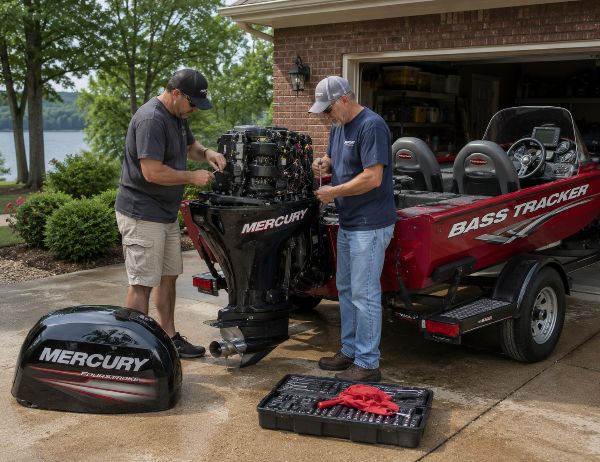
As Labor Day comes over the horizon and the kids head back to school, it’s time to give your boat the TLC you may have been putting off to avoid problems—and also to get ready for the prime fall fishing that’s just ahead.
Propeller and Gear Case
The propeller and gearcase have probably had a busy summer, and the lower unit deserves more attention than simply checking whether the prop is still attached. Pull the prop and look for fishing line wrapped around the prop shaft. Particularly with braid, even a few strands can work their way into the prop-shaft seal and eventually allow water into the gearcase.
While the prop is off, inspect the blades for nicks and bends and check the hub for signs of slippage. Spin the shaft by hand and look for anything that doesn't seem right. If the prop has been removed several times during the summer, inspect the hardware and reinstall it according to the manufacturer's specifications.
Then look at the gearcase lubricant. Drain a small amount into a clean container. Healthy gear oil should not look milky. A milky appearance indicates water intrusion, which means the seals need attention before the boat goes back into serious service. If the oil contains substantial metal particles or chips, that's another reason to have the gearcase checked rather than simply putting fresh oil in it and hoping for the best.
Change the engine oil if you're due.
If your four-stroke has accumulated enough hours to reach its scheduled oil change, don't postpone it because summer is almost over. Many modern outboards use a 100-hour or annual interval, but the owner's manual for your particular engine is the final authority. Mercury and Yamaha both specify regular engine-oil and filter changes as part of scheduled maintenance.
For a boat that has spent the summer trolling, idling and making repeated short runs, an oil change can be especially worthwhile. Those conditions can be harder on engine oil than a boat that spends most of its time running at cruising speed.
Don't ignore the fuel system.
A boat that has been used heavily all summer has had plenty of opportunities to accumulate condensation, sediment or water in the fuel system. Check the water-separating filter and replace it if it's due or shows contamination. Look over the fuel lines, connections and primer bulb for deterioration, leaks or soft spots.
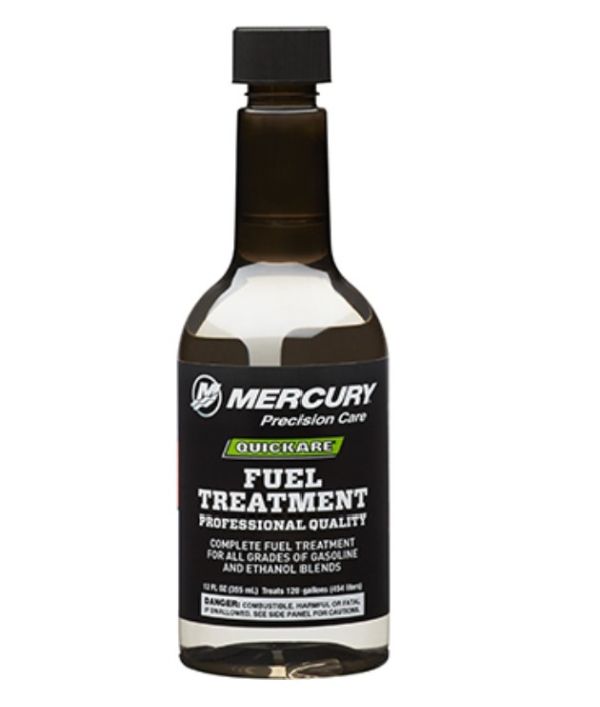
This is also a good time to inspect the tank and think about how much fuel will remain aboard as fall approaches. Fuel doesn't improve with age, and modern engines are particularly intolerant of contaminated fuel. Follow the engine manufacturer's recommendations for fuel treatment rather than simply pouring an assortment of additives into the tank. Yamaha, for example, specifically includes fuel filters and fuel treatment among its routine maintenance items. Fuel treatment like Merc’s Quickare or Quickstor can prevent condensation over the winter, eliminating starting problems next spring.
Flush, inspect and protect the cooling system.
Saltwater leaves evidence, even when you can't see much of it. If the boat operates in salt or brackish water, flush the cooling system with fresh water according to the engine manufacturer's procedure.
While you're at it, look at the telltale stream the next time the engine is running on the water or on an approved flushing device. A weak or missing stream can indicate an obstruction or cooling-system problem, maybe the need for a new water pump impeller, although some engines don't produce a strong telltale stream at idle.
Inspect the sacrificial anodes, too. They're supposed to corrode, but when they're substantially depleted, they need replacement. Don't paint them or coat them with anything that isolates them from the water; their job depends on electrical contact with the surrounding water.
Give the batteries and electrical system a hard look.
Summer heat and vibration are tough on batteries and electrical connections, and a connection can be corroded inside even when it looks acceptable from the outside. Remove the battery terminals, clean the mating surfaces, reinstall them tightly and inspect the cables for swelling, corrosion or damaged insulation. Yamaha recommends that battery connections be clean and tight and specifically warns that corrosion can create voltage loss and intermittent electrical problems.
If the starting battery has been sluggish, don't wait for the first cold morning to discover that it is finished. Have it load-tested. Check the charging system as well, particularly if you've noticed electronics resetting, slow cranking or unusual voltage readings.
Look at the steering, controls and hardware.
A summer of running rough water can loosen things that were tight in May. Check the steering system for play or binding, inspect control connections and look over the hardware attaching the engine to the transom. Check hoses, clamps and wiring for chafe. Give the trim-and-tilt system a visual inspection and look for hydraulic-fluid leaks. Lube all indicated ports.
This is not the time to improvise repairs on critical steering or engine-mounting components. If something doesn't look or feel right, have a qualified technician inspect it.
Finally, don't forget the trailer.
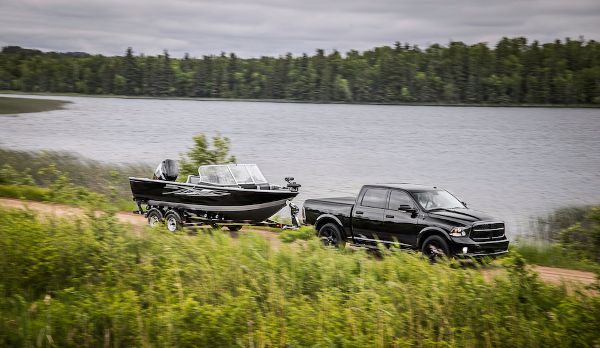
Check the tires for uneven wear, cracks and proper inflation. Remember, most trailer tires require a LOT more pressure than car and truck tires. Inspect the wheel bearings and brakes, look at the bunks or rollers and make sure the lights and wiring still work. If you've spent the summer launching in saltwater, rinse the trailer thoroughly and pay particular attention to the brakes, hubs and other components exposed to salt.
Fall often brings some of the best fishing of the year, and the last thing you want is to spend the first cool Saturday morning of the season sitting in the driveway with a dead battery, contaminated fuel or a gearcase full of water.
– Frank Sargeant, Editor, The Water Wire