
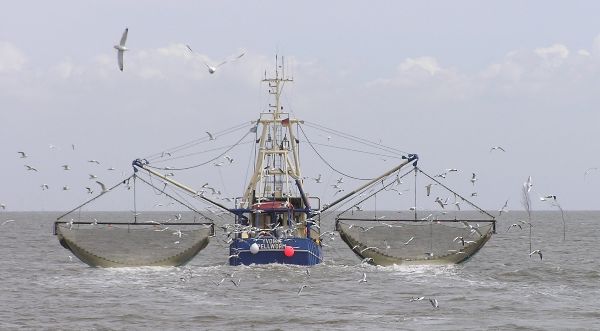
The Trump administration’s new America First Seafood Strategy calls for more American seafood production, fewer regulatory hurdles for commercial fishermen and better access to productive fishing grounds. For recreational anglers, the big question is whether the plan can deliver those benefits without putting more pressure on the fish they enjoy catching.
Announced October 23, the strategy directs NOAA and other federal agencies to help expand commercial fishing, strengthen American seafood processing, improve markets for U.S.-caught fish and make it easier for domestic seafood producers to compete with imports.
The announcement sets a direction for federal fisheries policy that could eventually affect anglers, particularly where commercial and recreational fishermen pursue the same species like red snapper, grouper, king mackerel and some of the tunas.
More fish for the market—but what about anglers?
A major goal is to reopen productive commercial fishing grounds where science supports doing so and to make sure commercial catch limits reflect the best available information. NOAA will work with regional fishery management councils and the commercial industry to pursue those goals, per the Administration.
That could benefit anglers if better data show that fish populations can support additional harvest. More accurate population estimates could help managers avoid unnecessary restrictions while identifying stocks that need protection.
The potential problem comes when commercial and recreational fishermen are competing for the same fish. Increasing the commercial catch of a popular coastal species can leave fewer fish available for anglers, particularly when populations are struggling or concentrated in limited areas. There’s already a lot of tension over menhaden harvest in coastal waters, which many anglers and conservationists say has a huge impact on red drum and kingfish, among other species that feed on them.
The new strategy doesn’t yet tell us how additional harvest opportunities would be divided between commercial and recreational fishermen. That’s a key question for anglers who already face shortened seasons, tight bag limits or closures intended to protect fish populations for many species.
Much depends on the health of the stock and the amount of additional commercial harvest allowed. But expanding commercial production shouldn’t come at the expense of the fish populations that support recreational fishing.
A separate order puts recreational fishing on the agenda
The seafood strategy is only part of the administration’s approach to saltwater fisheries. On September 17, President Trump signed a separate executive order, Restoring American Saltwater Angling and Recreation, directing federal agencies to give recreational fishing greater consideration in ocean and coastal management.
This sounds more like it, right?
That order calls for a review of federal fisheries management guidelines and better information on recreational catches and fishing effort. It also calls for a five-year plan to incorporate the economic value of recreational fishing into seasonal quota decisions.
That matters because recreational fishing supports a broad network of businesses, from boat and tackle manufacturers to marinas, fuel docks, charter captains, hotels and restaurants. In many coastal communities, spending by anglers is an important part of the local economy.
Commercial fishing supports jobs and businesses of its own, including fishing fleets, seafood dealers and processing plants. But the two industries often do not agree on how much fish should be available to each.
The administration says it wants to strengthen both sectors. How it handles those competing interests will become clearer when NOAA and the regional councils begin making specific management decisions.
Better waterfronts could help, too
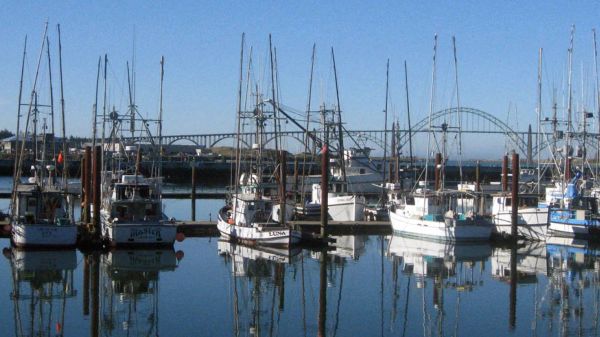
The strategy also calls for investment in docks, shipyards, cold storage, seafood processing and other facilities used by the commercial industry. Federal agencies are to review existing financing programs that help fishermen modernize vessels and equipment.
Recreational anglers could benefit indirectly if stronger waterfront businesses help keep marine services available in coastal communities. Many private boaters and charter operators rely on the same boatyards, repair shops, fuel suppliers and working waterfronts used by commercial fishermen.
The real test will come on the water
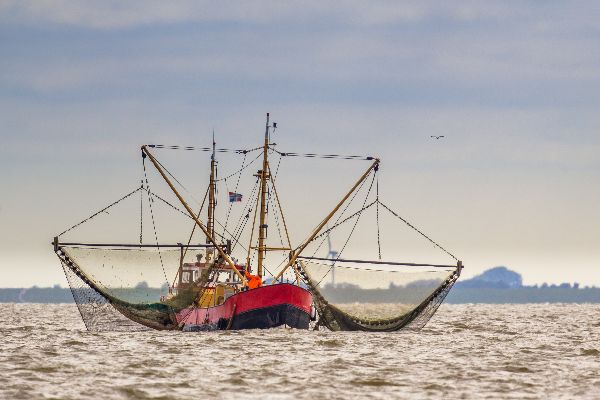
The strategy calls for regulatory changes that reduce costs and restrictions that don’t serve conservation goals. NOAA will also work with federal partners to establish clearer rules for marine aquaculture in federal waters.
The administration says it will use existing programs and legal authority rather than create new spending initiatives. Its measures of success focus largely on commercial production, investment, jobs and reduced reliance on foreign seafood.
Recreational anglers will have other measures in mind: Are fish populations healthy? Are seasons and bag limits based on reliable data? Are anglers getting a fair opportunity to use the resource? And are the economic benefits of recreational fishing being considered alongside those of commercial harvest?
The important developments will come as NOAA turns the strategy into actual management decisions and coordinates those efforts with the separate initiative aimed at recreational fishing.
The goal of a stronger American seafood industry is reasonable. The harder task is achieving it while maintaining the fishing opportunities that support millions of saltwater anglers and the businesses that serve them. The initiative will bear close watching by the sportfishing community.
– Frank Sargeant, Editor, The Water Wire