
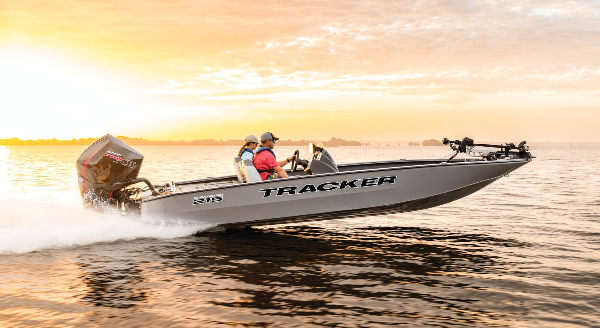
For decades, fiberglass ruled the bass-boat market at the top end. If you wanted the biggest, fastest, most sophisticated tournament rig, you bought fiberglass. Aluminum boats were lighter, tougher and less expensive, but you accepted some compromises in speed, ride and overall refinement to get those advantages.
Plus, aluminum boats just didn’t have the pizazz. Some were downright ugly.
That pecking order no longer necessarily applies.
Consider the TRACKER Savage 215. At 21 feet 3 inches, with a 250-horsepower rating and an all-welded aluminum hull, it's a genuine big-water bass boat. With a Mercury 250 Pro XS, TRACKER lists an estimated top speed of 68 to 73 mph. The boat has the deck space, storage, livewell capacity and electronics capability you'd expect in a tournament rig. And it looks good.
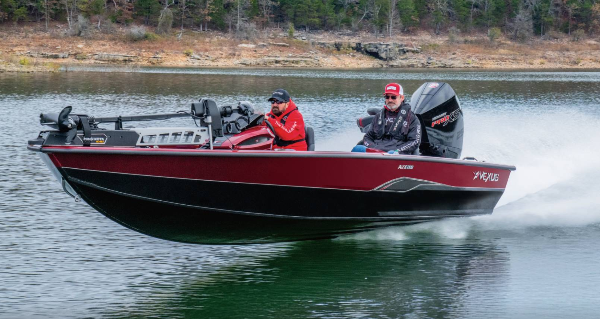
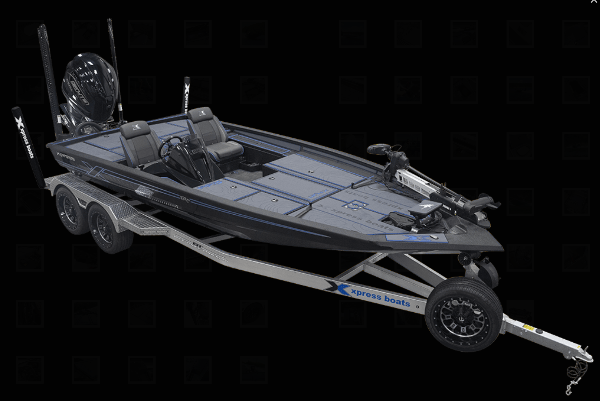
Xpress builds the 21-foot-2-inch XR21 with its high-performance pad hull and a 250-horsepower rating. Vexus offers the 20-foot-8-inch AVX2100, a 96-inch-wide boat with a 250-horsepower rating and a hull designed to deliver fiberglass-like performance. Ranger's Alpha 208 is a 20-foot-8-inch aluminum boat with a pad hull, foam-filled construction and a 250-horsepower rating. Crestliner's MX 21 is another 21-foot tournament boat rated for 250 horsepower, with a 60-square-foot front casting deck. Gator Trax builds its 20-foot Strike as a custom aluminum fishing boat and offers it with a 250.
These are full-size tournament boats, with the speed, deck space and storage serious bass anglers expect.
Price is where aluminum starts making a strong case.
Current pricing puts boats such as the Ranger Alpha 208, Vexus AVX2100 and Xpress XR21 roughly in the $60,000-to-$75,000 range before you start piling on electronics. A loaded Gator Trax can cost considerably more, but it is also essentially a custom-built boat. On the fiberglass side, a Ranger Z520R with a 250 Pro XS is around $90,000 before some of the higher-end equipment packages, and other premium fiberglass boats can push well beyond $100,000 when fully equipped.
The comparison isn't perfect because manufacturers package equipment differently and dealer discounts can change the numbers substantially. But a fisherman shopping carefully can put a very capable 20- or 21-foot aluminum bass boat in his driveway for tens of thousands less than a comparable premium fiberglass rig.
Less Weight, Tougher Skin
Weight is one advantage. Because many aluminum boats weigh less than comparable fiberglass rigs, they can draw less water. There are places where a heavy fiberglass boat has to turn around while a properly designed aluminum boat can keep going. That matters on shallow reservoirs, backwaters, flats and lakes where low water exposes stumps, rock and other hazards. It can also matter during the spawn, when bass move into areas that deeper-drafting boats can't reach. Plowing through heavy weeds is another advantage of the lighter aluminum hulls, which usually float higher.
That extra clearance can open up water that a deeper-drafting boat can't reach. Aluminum alone doesn't make a better fishing platform, but getting into places other boats can't go gives an angler an advantage before the first cast.
Durability is another consideration. A fisherman who bangs an aluminum hull into a stump or drags it across a rough shoreline may leave a dent or scrape. That can be easier to live with than a serious gouge or crack in a fiberglass hull. Aluminum can be repaired, of course, and either material can suffer serious damage, but minor impacts and scrapes often are less troublesome with aluminum.
A 70-mph aluminum bass boat would have been difficult to imagine as a mainstream tournament rig years ago. Today, the Savage 215 can reach that territory with a 250 Pro XS, and some other premium aluminum pad boats can approach the same speeds. A comparable fiberglass boat may still have an advantage at the very top of the speed range, and hull design, setup, propeller, load and water conditions can make several miles per hour of difference.
Once both boats are running somewhere around 65 to 70 mph, however, the practical distinction for most fishermen becomes fairly small.
Fishing layouts have improved, too. The better aluminum boats now have enormous front casting decks, deep rod lockers, tournament-size livewells and enough electrical capacity to support the same collection of trolling motors and large-screen electronics found on fiberglass boats.
The lighter weight can also mean a less expensive trailer and a smaller tow vehicle, with potential fuel savings on long drives to the lake. For anglers who travel considerable distances to fish, the savings can add up over a season.
Fiberglass Is King for Smooth Rides
Ride quality remains a major reason to buy fiberglass. When a large reservoir gets rough, the additional weight and hull characteristics of a premium fiberglass boat can make a long run considerably more comfortable. The best fiberglass hulls have also been refined for years to produce very good high-speed handling and predictable behavior when the boat is aired out.
Fit and finish remain advantages for fiberglass. A well-built bass boat has a solid, finished quality that many aluminum boats don't duplicate. The molded compartments, smooth surfaces, upholstery and overall fit and finish are part of the attraction. For some fishermen, that is worth real money.
So is ownership itself. If you've wanted a Ranger Z520R, Phoenix 920, Skeeter, Caymas or another premium fiberglass boat for years, there is no requirement that you justify the purchase. Boats are recreational equipment. We buy the ones we like.
If your boat spends much of its life crossing big reservoirs in rough weather, fiberglass still has plenty going for it. If shallow-water access is important, if the boat is likely to encounter stumps and rocks, or if spending $20,000 or $30,000 less can make or break your budget, aluminum deserves a close look.
– Frank Sargeant, Editor , The Water Wire