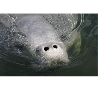
The Florida Fish and Wildlife Conservation Commission reminds boaters that manatees are dispersing from winter refuges this spring. Boaters should reduce speed, follow manatee protection zone regulations, and watch for manatees in rivers, canals, and nearshore waters to prevent collisions and injuries.
Wildlife
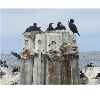
The California Department of Fish and Wildlife (CDFW) determined that starvation is the primary cause of increased seabird deaths along California's coast, affecting Brandt's cormorants, common murres, and brown pelicans. Avian influenza was largely ruled out as the cause, with testing showing minimal detection in examined birds.
Utah Division of Wildlife Resources Native Herpetology Coordinator Alyssa Hoekstra provides guidance on avoiding rattlesnake encounters during spring and summer. The article covers identification of Utah's five rattlesnake species, safety protocols if encountered, pet protection measures, and yard prevention tips to help recreationalists stay safe.
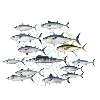
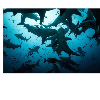
Research by the University of Exeter, University of Lancaster, Fiji Shark Lab, and Beqa Adventure Divers found that bull sharks at Fiji's Shark Reef Marine Reserve have active social preferences and form friendships similar to humans. Lead researcher Natasha D. Marosi's six-year study of 184 sharks revealed complex social behaviors, with adult sharks forming the network's core and preferring partners of similar size.
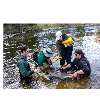
The Chesapeake Bay Program's Invasive Catfish Workgroup is using research from the Maryland Department of Natural Resources, Virginia Tech, Salisbury University, and the Virginia Institute of Marine Science to manage invasive blue and flathead catfish. Studies reveal these species prey on economically important native species including blue crabs, river herring, and striped bass, threatening the Bay's ecosystem.
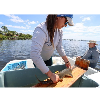
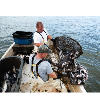
Researchers at UNC Chapel Hill Institute of Marine Sciences, led by Chelsea Black, PhD, conducted an experiment demonstrating that satellite tags can transmit signals from inside a shark's stomach. The study was prompted by unusual tracking data from a tagged red drum named Swim Shady, suggesting the fish may have been consumed by a large predator.
Unseasonably warm weather in Arizona is increasing rattlesnake encounter risks this spring. The Arizona Game and Fish Department's Audrey Owens advises staying on marked trails, watching your step, and backing away if you encounter one of Arizona's 13 rattlesnake species. Most bites occur when people attempt to capture snakes rather than leaving them alone.
A drawdown of Marsh Lake in the Lac qui Parle Wildlife Management Area is planned for spring and summer 2026 to improve fish and wildlife habitat. Water levels will be lowered from 938 feet to 936 feet, with area wildlife manager Walt Gessler noting that a previous 2019-2020 drawdown successfully increased emergent vegetation and improved water quality.
The Wisconsin Department of Natural Resources seeks public input on its Beaver Management Plan revision through January 31, 2026. Comments can be submitted online, via email to DNR furbearer specialist Shawn Rossler, or at three public listening sessions scheduled for January 14, 21, and 28.
The Gulf Great White Shark Society is asking for help from the public, offshore workers, anglers, divers, and mariners to document great white shark sightings in the Gulfβpast or present.