
This spring, the Florida Fish and Wildlife Conservation Commission (FWC) began a revegetation effort on the St. Johns River, enhancing the habitat in multiple lakes including Lake George, Lake Dexter, Lake Woodruff, Lake Beresford, Lake Monroe and Lake Harney.
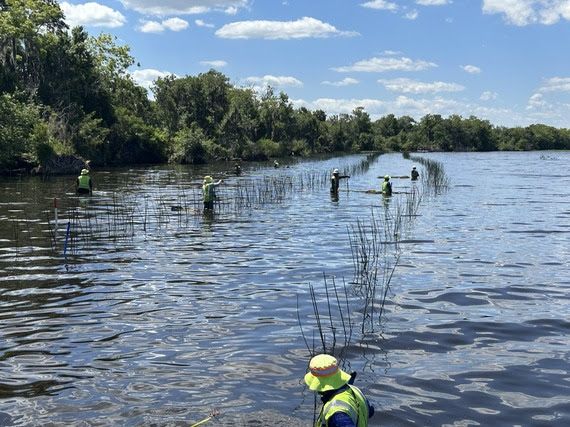
Aquatic vegetation in the St. Johns River has struggled in recent years due to prolonged high-water levels and impacts resulting from both natural and human disturbances. Strong winds, heavy rainfall and high water associated with tropical events can uproot plants and prevent germination and spread of aquatic plants, negatively altering the aquatic plant community. Loss of aquatic habitat can severely impact an ecosystem, as aquatic plants provide vital breeding grounds, shelter, and food for many species of fish and wildlife.
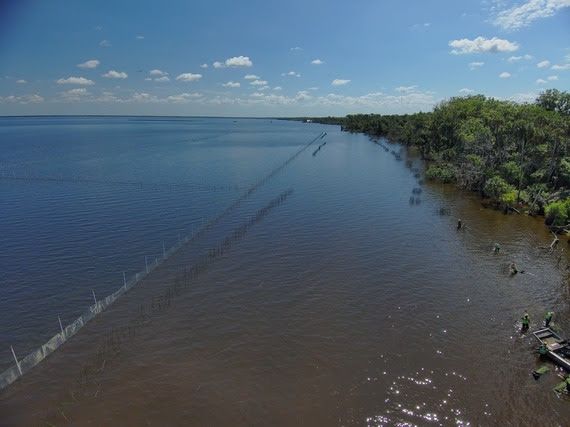
To combat this, the FWC is planting over 350,000 bulrush plants to improve habitat in multiple St. Johns River lakes. Bulrush plants are being installed in shallow water areas of these lakes to increase plant survival and allow plants to establish as water levels rise. This project started in April 2026 and is expected to be completed by June 2026. These native aquatic plants will bolster the coverage of this important habitat type and will benefit many fish, wildlife, anglers, hunters and wildlife viewers. If you have any questions regarding the restoration of the St. Johns River, visit MyFWC.com/AquaticHabitats or email AquaticHabitat@MyFWC.com.
To receive more news like this, go to Subscriber Preferences at the bottom of this email and select News - Habitats and Aquatic Habitat Management under the Habitats section.